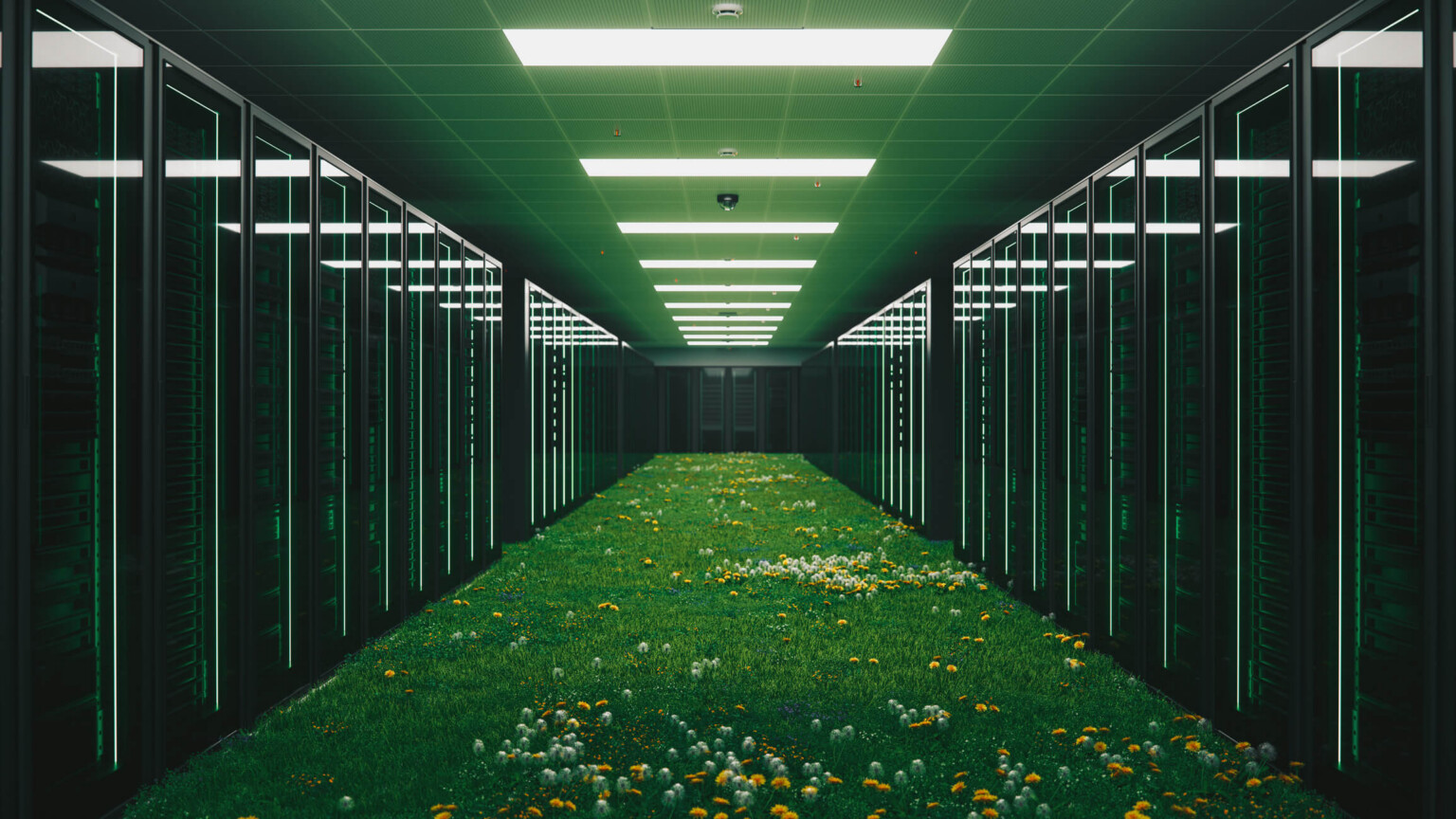
Data centres are responding to environmental concerns
Every social media post, online shopping purchase or AI query depends on processors running in a data centre. These processors require electricity, with an associated carbon footprint, and generate heat, with an associated cooling requirement. Data centres are under significant pressure to reduce their environmental footprint and the industry is making progress across several fronts.
Water Conservation
Water stress is an increasing concern even in a relatively wet country like the UK and minimising the use of water for cooling is a major design focus for our data centres.
Closed loop, liquid cooling is the standard for new developments. Water is circulated through sealed piping which passes over processors to extract heat at source. The warm water then travels to a dry cooling unit outside the building where fans blow air across the pipes and heat is transferred to the atmosphere due to the lower temperature of the air. This heat exchange is known as free cooling.
The dry cooling units work effectively up to 20ºc so the relatively mild UK climate supports free cooling for more than 80% of the year. Fine water misting of incoming air at the dry cooling unit extends free cooling into warmer periods with very modest water use.
This system is highly energy efficient as cooling takes place at the processor. Which makes it ideal for high performance computing such as AI application delivery. It’s also very water efficient as water is preserved within the piping and continually recycled.

Power and Energy
Data centres consume significant volumes of power to process and deliver online services. The industry is focused on increasing efficiency within the data centre – so reducing power consumption – and ensuring that energy is sourced responsibly.
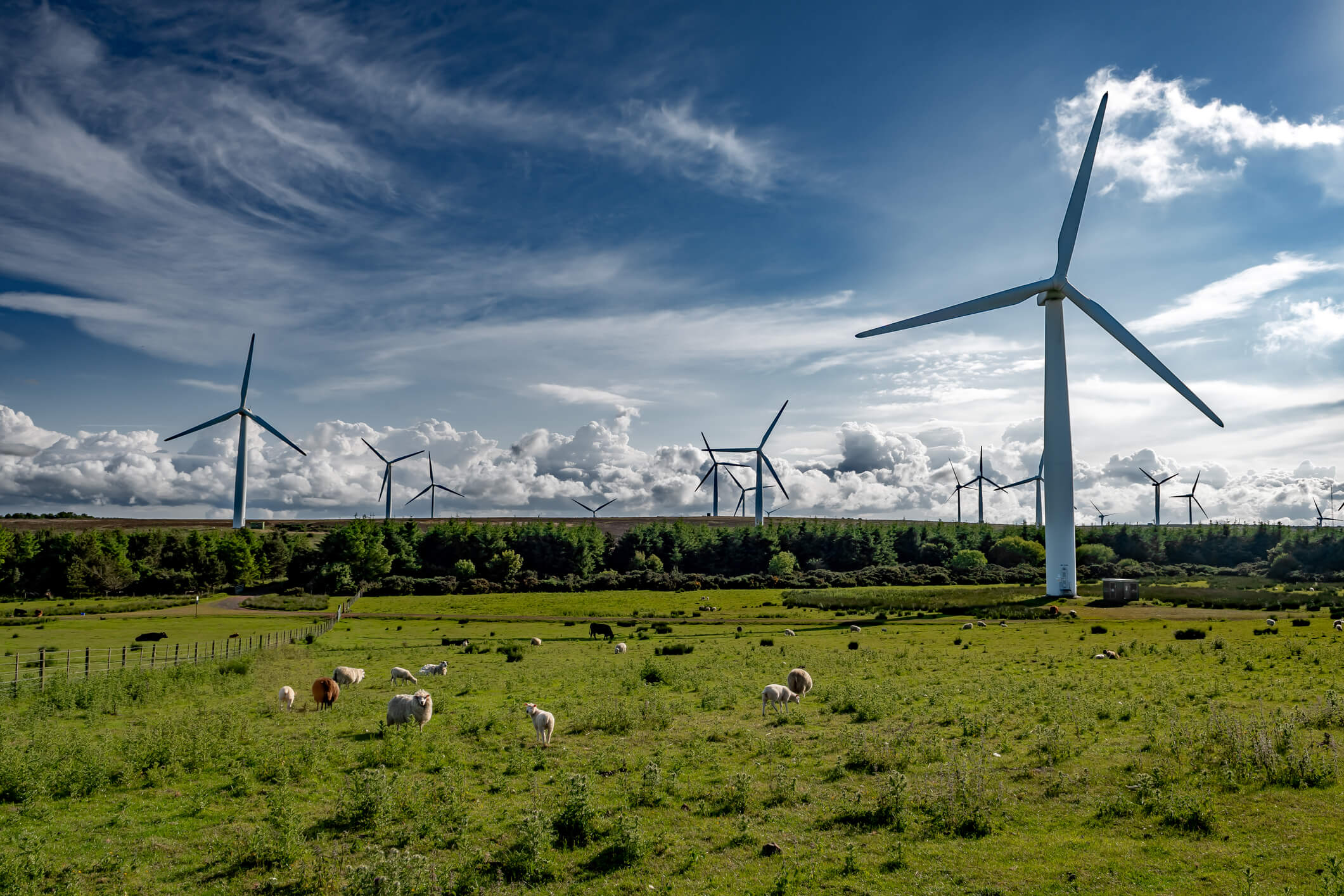
The next generation of data centres are tied closely to the roll out of renewable energy sources in the UK. As cloud and AI delivery data centres need to be located close to large cities for network latency, it’s not always practical to build colocated solar or wind generation. In those cases, Clearstone is committed to securing long-term power agreements for renewable electricity, whether from our own solar projects or from more appropriately located generators.
On the efficiency side, the industry metric is Power Usage Effectiveness (PUE) – the ratio of total facility power to the power used by the IT equipment itself. Older facilities often ran at 1.5 or above, meaning half as much energy again was being wasted on cooling and other power overheads. Modern cloud and AI facilities are achieving PUEs of 1.2, through innovations like the closed-loop water cooling approach.

Construction
Reducing carbon emissions from data centre construction requires tackling both the embodied carbon locked into materials and the emissions generated by the construction process itself.
Design decisions on our projects are informed by whole-life carbon assessments that quantify the embodied carbon of different design options alongside projected operational carbon. This allows us to prioritise interventions where they will have the greatest impact.
Opportunities to reduce emissions include specifying low-carbon concrete mixes, using recycled steel where possible, sourcing timber from sustainably managed forests, and generally favouring materials with lower embodied carbon footprints.
The construction process itself generates emissions through plant and machinery, site vehicles, temporary power, and worker transport. Switching construction plant to HVO (hydrotreated vegetable oil) fuel as a drop-in replacement for diesel can reduce combustion emissions from machinery by around 90 percent with no modification to equipment.

Ecology and Biodiversity
We treat each one of our projects as an opportunity to increase biodiversity and strengthen natural ecosystems. To deliver on this commitment up to half of the project site is set aside for dedicated ecological enhancements.
This additional land provides the opportunity for habitat creation, tree planting, green roofs, and landscaping designed to support local wildlife.
Sustainable drainage systems that mimic natural water flows are built into facility design and typically feed attenuation basins that can provide aquatic habitats.
In the UK, biodiversity net gain requirements have become a formal part of the planning process. As with our battery and solar projects, we aim for a minimum 20% increase in biodiversity across our sites.