Renewables are powering the UK’s drive to Net Zero
In less than a decade, renewable energy has gone from an
expensive but climate friendly alternative energy source to
the foundation for a future UK energy system.
The shift to renewable and low carbon energy is just one part of
a broader energy transition happening in the UK that will see
clean energy sources replace fossil fuels in heating,
transportation and industrial processes.
In 2025, half of our electricity came from low carbon sources
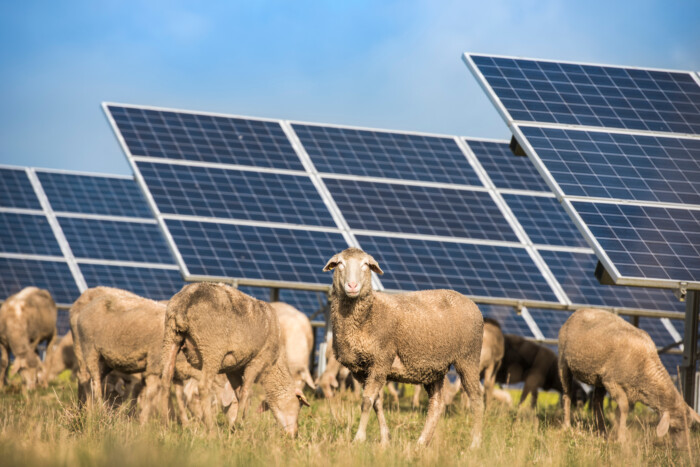
Today, solar and wind projects are not only unsubsidised but able to generate electricity at half the cost of an equivalent gas or coal fired power station.
In 2012, just 10% of UK electricity came from renewable sources, Fast forward to 2025 and more than two fifths of the UK’s electricity came from green and renewable sources. With nuclear power included, over half of UK electricity that year was from clean, low carbon sources.
The latest UK Government Energy Strategy – The Clean Power Action Plan – seeks to accelerate the deployment of renewable energy projects in the UK as the backbone of a future energy system that promises greater energy affordability and energy security while also contributing to tackling climate change.
But, delivering a 100% low carbon electricity grid requires network upgrades
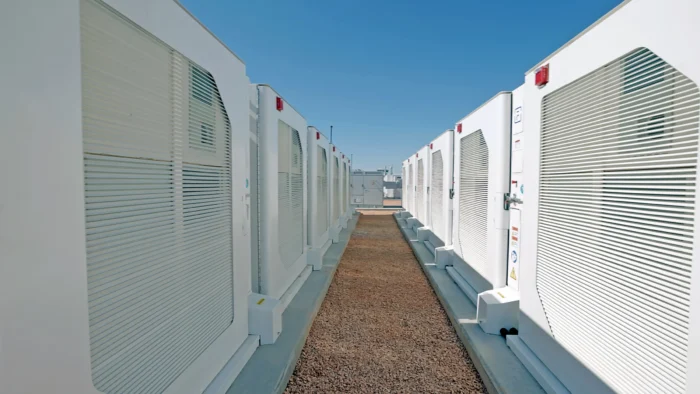
We have made significant progress with cleaning up our electricity grid, almost entirely replacing coal powered electricity generation in the process, but reducing our reliance on gas is an altogether harder challenge.
Renewable energy is weather dependent, making the job of balancing supply and demand much harder than it was when coal and gas fired power stations could be turned on, off, up and demand to exactly match demand.
The existing UK electricity network needs upgrading to support the deployment of renewable, low carbon energy and reach the goal of a low carbon UK electricity supply by 2030.
And we need to decarbonise transport and heating as well
The UK has committed in law to achieving net zero
carbon emissions by 2050.
While much progress has been made with decarbonising our
electricity supply, oil and gas is still the primary energy source
for UK transportation and heating. Looking at UK energy
consumption as a whole in 2024, 79% was provided by gas, oil
and coal. While energy usage was responsible for 73% of all UK
carbon emissions.
Decarbonising heat and transportation is much harder than
electricity, not least because we’re talking about 41 million
vehicles and 29 million homes rather than hundreds of power
stations. But there are promising signs.
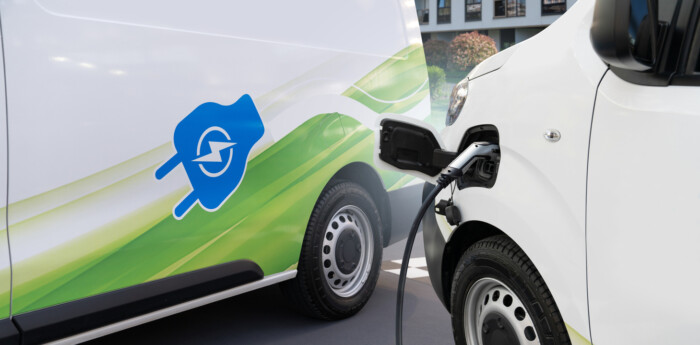
In 2023, there are more than 2 million electric vehicles on the
road in the UK and 260,000 households have installed an
electric heat pump for heating and hot water. Every major car
manufacturer is building electric vehicles and almost all of the
major gas boiler manufacturers are manufacturing heat pumps.
Which could double electricity consumption by 2050
Not everything will be electrified. Hydrogen will play in role in decarbonising industrial processes. The aviation industry is banking on bio fuels – produced from vegetables not oil – to reach net zero. We will continue to burn gas with carbon emissions capture.
But much of the 80% of total UK energy consumption currently provided by fossil fuels will need to be met by clean electricity from renewable sources.
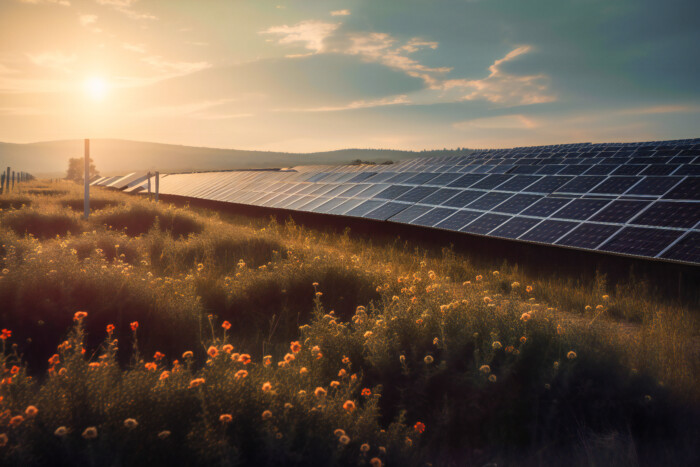
Predictions are that electricity consumption will increase by 100% to reach net zero by 2050. It’s why the UK Government is targeting a five fold increase in solar generation by 2035 and doubling wind generation by 2030.
Find out more about our projects

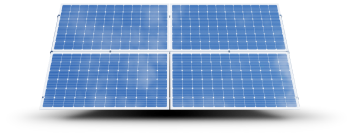





Solar Energy
Large scale solar is the lowest cost and fastest growing renewable energy source in the UK. The Government’s Clean Power Action plan will drive a five fold increase in generation over the next decade.




Battery Storage
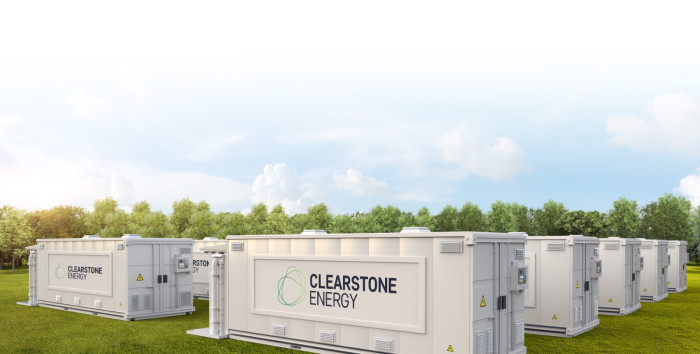
Battery energy storage is crucial for balancing supply and demand in a renewables led energy system. Transitioning from gas to batteries for system balancing will make UK electricity cleaner, more secure and cheaper.




Biodiversity & Nature
Our renewable energy projects repair and improve the natural ecosystems that clean our water, purify our air, recycle nutrients and regulate our climate.





How we work with
communities
We believe that those people living near to a renewable energy project should benefit directly from the project.
Some more good reads