

Key facts
- Project Design
- Community Consultation
- Planning Application Submission
- Planning Application Decision
- Construction
-
Where
Upminster, London
-
What
Battery energy storage
-
Network Connection Capacity
200 MW
-
Equivalent household power use
500,000 homes for 4 hours when fully charged
-
Annual CO2 emissions saved
108,000 tonnes
-
Targeted Operational Date
2029
-
Project Development Size
6 hectares
-
Project Lifespan
40 years
The Warley Energy Hub 2 project is located near to Upminster to the east of London. Planning Consent for the project was granted in July 2025 by Havering District Council. The project will connect to National Grid’s 400kV Warley substation which The Bramford Battery Energy Hub will be one of our largest projects to date.
The Warley substation plays a key role in ensuring electricity supply to homes and businesses in Havering and Thurrock.
Adding battery energy storage to the electricity grid here will increase the availability of renewable energy locally and provide greater security of supply.
Project overview
All four sides of the proposed facility would be planted with a thick belt of shrubs and trees to effectively screen the facility from nearby properties, footpaths and roads.
Species have been chosen to reflect the local area and include beech, birch, blackthorn, dog rose, hawthorn, maple, oak and willow.
The new planting would create permanent habitats for the local wildlife identified in ecological surveys including badgers, bats, birds and hedgehogs.
This would result in a 43% Biodiversity Net Gain across the 6 hectare site.
Biodiversity benefits
We want our projects to be a catalyst for the broader adoption of renewable energy and energy efficiency projects within the communities that host them.
The Warley Energy Hub will provide financial support annually to enable low income households in the community to implement energy efficiency initiatives that would permanently reduce energy bills.
Those residents that live closest to the site will receive an electricity bill subsidy payment every year the project is operational so they benefit directly from the energy produced by the project.
We will also make funds and support available for community energy projects, such as installing solar panels on community buildings.
Community benefit

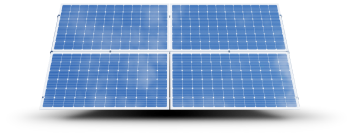





Solar Energy
Large scale solar is the lowest cost and fastest growing renewable energy source in the UK. The Government’s Clean Power Action plan will drive a five fold increase in generation over the next decade.
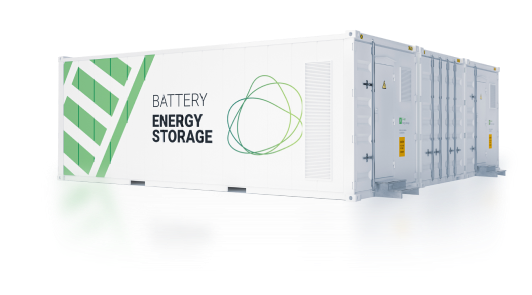



Battery Storage
Battery energy storage is crucial for balancing supply and demand in a renewables led energy system. Transitioning from gas to batteries for system balancing will make UK electricity cleaner, more secure and cheaper.
Explore our projects
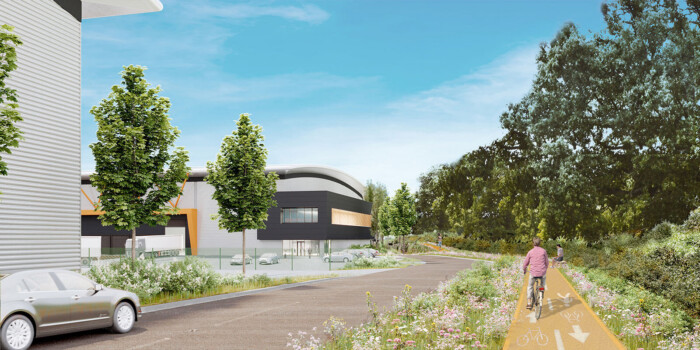
Luton Data Centre Campus Project
Clearstone is developing a large scale data centre campus located on land adjacent to the M1 near Luton. The site is located close to the existing Hemel Hemsted Data Centre Availability Zon
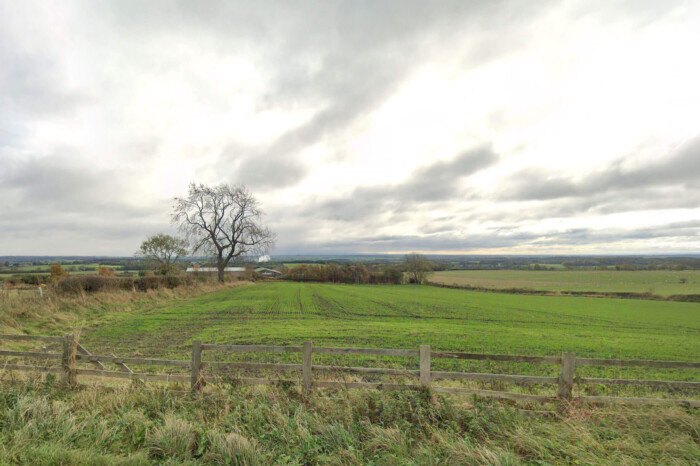
Spennymoor solar
Clearstone is developing a colocated solar and storage project that will connect to the National Grid substation at Spennymoor, near to Durham in northern England.
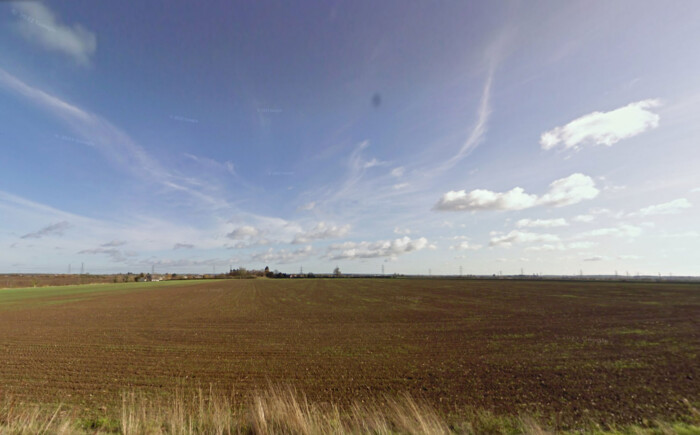
Eaton socon solar
Clearstone is developing a colocated solar and storage project that will connect to the National Grid substation at Eaton Socon, near to St Neots in Bedfordshire.
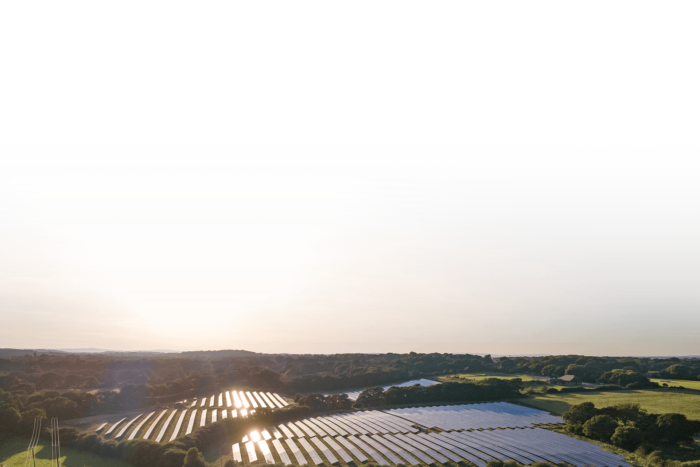
East london data centre campus
Clearstone is developing a large scale data centre campus located to the east of London alongside an established data centre investor and operator.
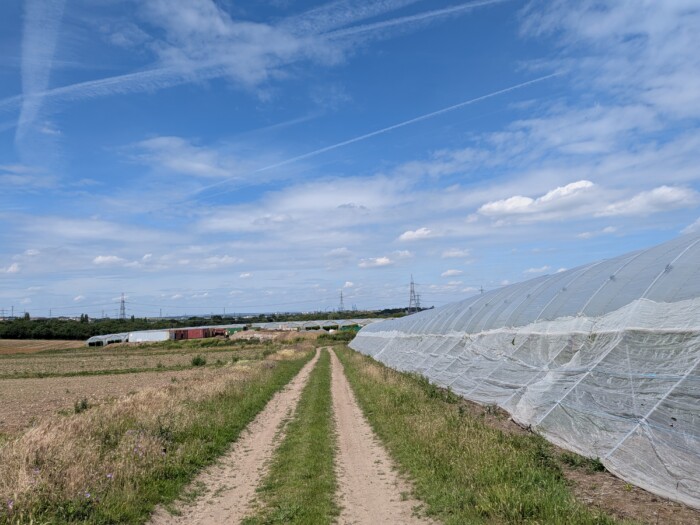
Ebbsfleet AI Data Centre Campus
Clearstone is in the early stages of developing a new data centre campus located on land adjacent to the HS1 railway line and A2 motorway and south of Ebbsfleet Station, Kent.
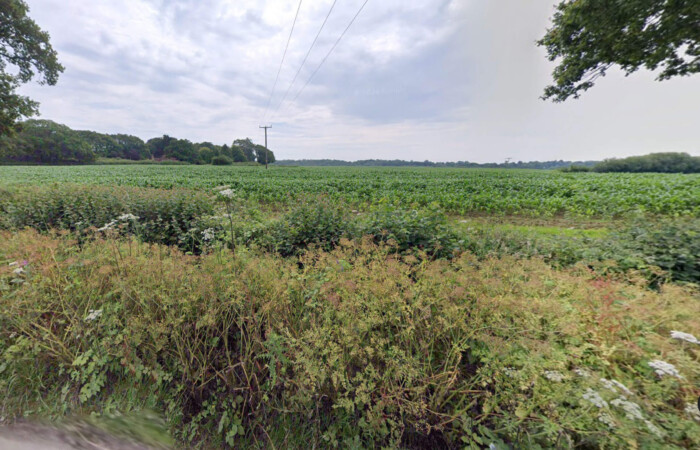
Little Horsted Solar
Clearstone is developing a colocated solar and storage project that will connect to the new National Grid substation at Little Horsted, near to Uckfield in Sussex.

Great Oak Energy Hub – 400MW battery energy storage project
The Great Oak Energy Hub is a 400MW battery energy storage project in Sussex that will connect to the UKs electricity transmission network alongside more than 2GW of wind and solar generation.
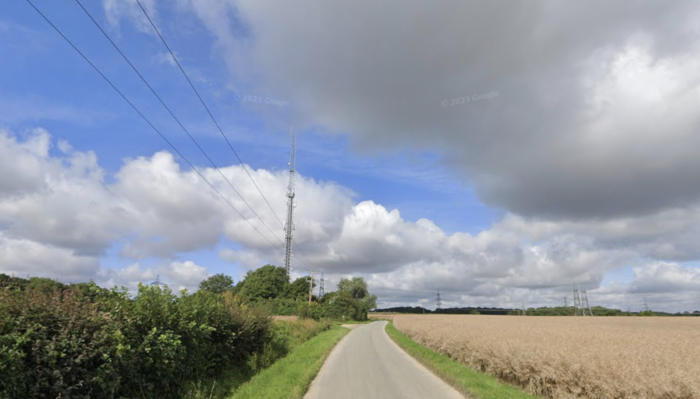
Bramford storage – 400MW battery energy storage project
Bramford Storage is a 400MW battery energy storage project in Suffolk that will connect to the UKs electricity transmission network alongside more than 4GW of wind, solar and nuclear generation.
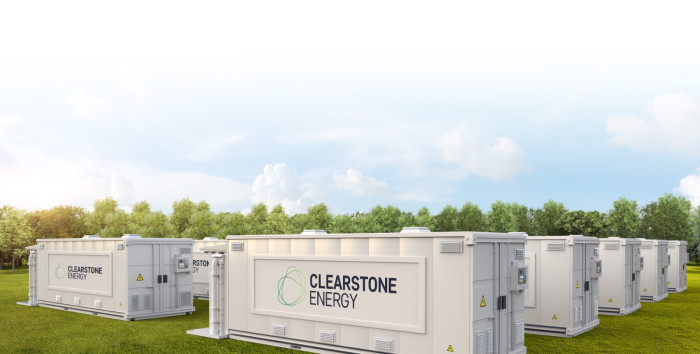
Warley Energy Hub – 200MW battery energy storage project
Warley Energy Hub Public Consultation